
Klarna is a popular Buy Now, Pay Later (BNPL) service that allows shoppers to split their purchases into manageable payments. With its flexible payment options, Klarna has gained traction among consumers looking for a convenient alternative to traditional credit methods. However, as with any financial service, it’s essential to understand how Klarna might impact your credit score.
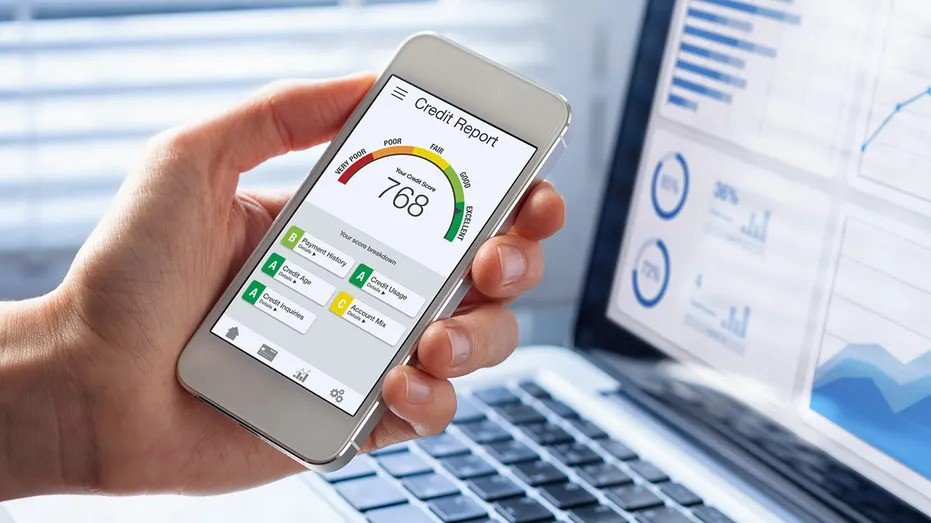
Whether you’re using Klarna for its pay-in-4 feature or its longer financing options, it’s important to consider the potential effects on your credit history and profile. This blog will explore Klarna’s credit check process, its comparison to traditional credit cards, and offer tips on using Klarna responsibly to avoid hurting your credit score.
Understanding Klarna’s Credit System
How Klarna Works for Shoppers?
Klarna offers a flexible financing solution through its Buy Now, Pay Later (BNPL) services, allowing shoppers to pay for their purchases in installments. The Klarna app provides various payment methods, including the popular “Pay Later” option, where users can make a purchase and pay later in full. Klarna also offers “Pay in 4,” enabling customers to divide their payments into four equal installments, and “Financing,” which provides longer-term payment options.
These services are designed to make shopping more accessible and manageable, but it’s essential to understand the potential impact on your credit score. By offering alternative payment methods, Klarna allows consumers to shop with ease, but it’s important to stay informed about the payment schedule and the potential for interest if payments are missed.
Different Klarna Services and Credit Implications
Klarna provides several services, including Pay Later, Pay in 4, and Financing, each with varying implications for your credit history and profile. When using Pay Later, the service typically doesn’t report your payments to credit bureaus, meaning it has little impact on your credit score. However, if you miss a payment, Klarna may report the late payment to credit bureaus, potentially affecting your credit score.
On the other hand, Klarna’s Financing option involves longer-term payments that may require a credit check, which could affect your credit profile. Depending on how you manage your payments, these services can either help you build a positive credit history or harm your credit score. Always be mindful of the terms and conditions associated with each Klarna service to maintain a healthy credit profile.
Klarna’s Credit Check Process
Soft vs. Hard Credit Inquiries by Klarna
When applying for credit or financing through Klarna, you may encounter two types of credit checks: soft and hard inquiries. A soft credit check is a type of inquiry that doesn’t impact your credit score. It typically occurs when you sign up for Klarna’s BNPL services or check eligibility for its payment plans. Soft credit checks are used to assess your eligibility for payment options without affecting your credit history.
On the other hand, a hard credit check occurs when Klarna assesses your creditworthiness more deeply, usually when you apply for longer-term financing options. A hard credit check can slightly lower your credit score, as it’s a sign of new credit activity. Klarna typically performs soft credit checks for its Pay Later and Pay in 4 options, while a hard credit check is more likely during a financing option. Always be aware of how Klarna performs its credit checks to understand how it might impact your credit score.
When Does Klarna Perform a Hard Credit Inquiry?
Klarna generally performs a hard credit inquiry when you apply for financing options that involve longer payment terms. Unlike the Pay Later or Pay in 4 options, which typically use soft credit checks, financing requires Klarna to assess your creditworthiness more thoroughly. A hard credit inquiry is performed when you select a payment plan that extends over several months or involves larger amounts.
During this process, Klarna will contact credit reference agencies such as Experian and TransUnion to evaluate your credit profile. A hard credit check can slightly lower your credit score, but it’s typically short-term. However, if you keep up with your payments, the impact on your credit score should diminish over time. It’s essential to be aware of this before committing to Klarna’s financing options to avoid any surprises to your credit report.
Comparing Klarna with Traditional Credit Cards
Impact on Credit Score: Klarna vs. Credit Cards
Both Klarna and traditional credit cards can affect your credit score, but they do so in different ways. With traditional credit card companies, the way you use your card – including your payment history, credit utilization, and how often you make on-time payments – directly impacts your credit score. Missing payments or carrying a high balance relative to your credit limit can lower your score. Klarna’s impact on your credit score is generally less direct unless you opt for longer-term financing that requires a hard credit check.
Klarna’s BNPL services like Pay Later and Pay in 4 often don’t affect your score unless you fail to make timely payments. Credit card providers report your usage regularly to credit bureaus, so any late payments or defaults will show up on your credit report. In contrast, Klarna’s reporting is less frequent, and late payments might only be reported if you miss multiple payments, particularly under financing terms.
Choosing Between Klarna and Credit Cards Based on Credit Health
When deciding between Klarna and credit cards, it’s important to consider your credit health. If you have a good credit score, you may find that using a traditional credit card offers more flexibility and benefits like rewards points, travel perks, and a higher credit limit. Credit card companies also tend to offer lower interest rates for individuals with a healthy credit profile. However, if you have a less-than-ideal credit history or prefer avoiding traditional credit card debt, Klarna’s BNPL services can provide a helpful alternative.
Just be mindful that late payments or defaults can hurt your credit score, particularly if Klarna reports to credit bureaus after missed payments. If you’re struggling with payment history or have a lower credit score, opting for Klarna’s short-term payment options like Pay Later or Pay in 4 may be a safer way to manage purchases while avoiding credit damage. Always check your credit report and assess your payment information before choosing a payment method.
Best Practices for Using Klarna Without Hurting Your Credit Score
Tips to Use Klarna Responsibly
To ensure Klarna doesn’t negatively impact your credit score, it’s essential to use its services responsibly. The most important aspect is to make timely payments. Keep track of the due date for each installment, whether you’ve chosen Klarna’s Pay Later or Pay in 4 options. Missing a payment can lead to late fees, interest charges, and, if prolonged, a potential negative impact on your credit history. Set reminders or enable notifications through the Klarna app to stay on top of your payments.
Additionally, consider using Klarna’s services as a payment method only for purchases you’re sure you can afford. Building a payment history with on-time payments can be a great way to improve your credit score over time. Avoid making purchases that could strain your budget, and be mindful of your payment history to prevent late payments that might hurt your credit profile.
Avoiding Common Pitfalls with BNPL Services
One common mistake with BNPL services like Klarna is overextending your financial obligations. Shoppers may be tempted to buy more than they can afford simply because the payments are spread out. However, this can lead to missed payments and a default on your agreements. To avoid these issues, only make purchases you can afford within your budget and make sure you’re on track with your payment schedule. Another pitfall is not understanding the terms of BNPL provider agreements—such as interest rates after a promotional period ends.
Always read the fine print to ensure you’re not caught off guard by sudden fees. Additionally, failing to repay on time can result in Klarna reporting late payments to credit bureaus, which will show up on your credit report and negatively affect your credit score. To stay on top of your payments, you can set up automatic payments or reminders for each installment. This approach helps you maintain a healthy line of credit without jeopardizing your creditworthiness.
Conclusion
Klarna can be a convenient way to manage purchases, but understanding its impact on your credit score is crucial. By making timely payments and staying aware of the terms associated with Klarna’s BNPL services, you can use it responsibly without harming your credit history. Avoid missing payments, and monitor your credit report to track any changes to your credit score. Ultimately, Klarna can be a valuable tool when used wisely, but always prioritize responsible spending to protect your payment information and credit score.
Questions
Does Signing Up for Klarna Affect Your Credit Score?
Signing up for Klarna typically doesn’t affect your credit score immediately. However, if you use Klarna’s financing options or fail to make payments on time, it can impact your payment history, which in turn can affect your credit score. Be sure to check your credit report to see how Klarna is being reflected.
How Can You Check if Klarna Has Checked Your Credit?
To check if Klarna has performed a credit check, review your credit report from credit bureaus such as Experian or TransUnion. These reports will indicate whether Klarna has conducted a credit check for any of their services. You can request a free copy of your credit report annually to ensure all credit checks are recorded accurately.
